Aircraft surface finishes are exposed to environmental conditions, contaminants and demanding maintenance requirements. Selecting a suitable coating system and applying it according to the relevant technical requirements is essential to achieving the intended finish and performance.
What Is the 3-Chem Aircraft Painting Process?
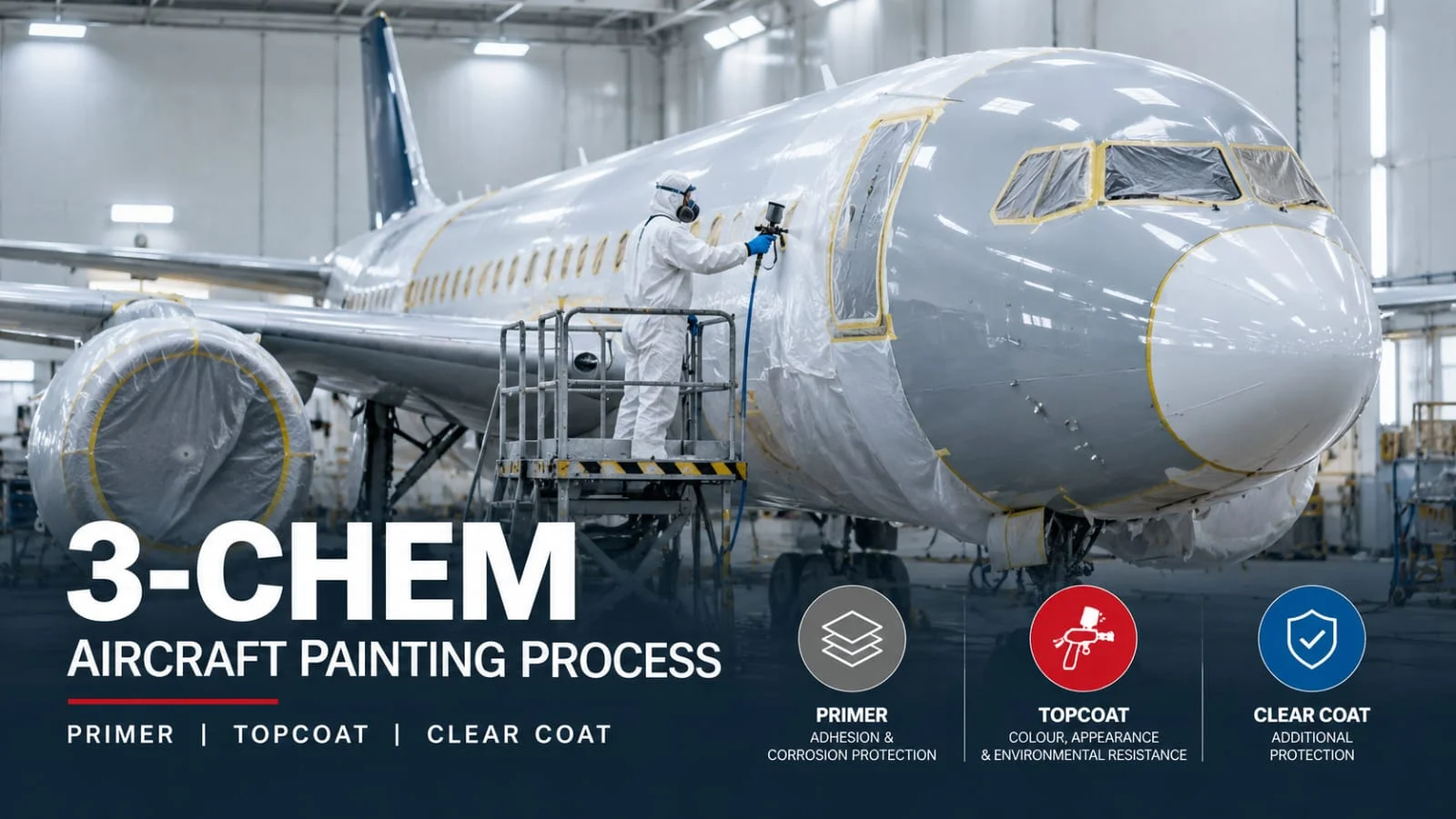
The 3-Chem aircraft painting process refers to the use of coating materials selected to work together as a system for a defined application. Depending on the approved system, the arrangement may include a primer, a colour or protective topcoat, and a clear coat.
Each layer has a different purpose. The correct configuration depends on the coating manufacturer's technical documentation, the substrate, the intended operating environment and the applicable aircraft or programme requirements. Not every aircraft paint system uses all three layers.
Important: Do not assume that any primer, topcoat and clear coat can be combined. Confirm that the specific products are approved or documented for use together in the intended application.
The Three Coating Layers
1. Primer
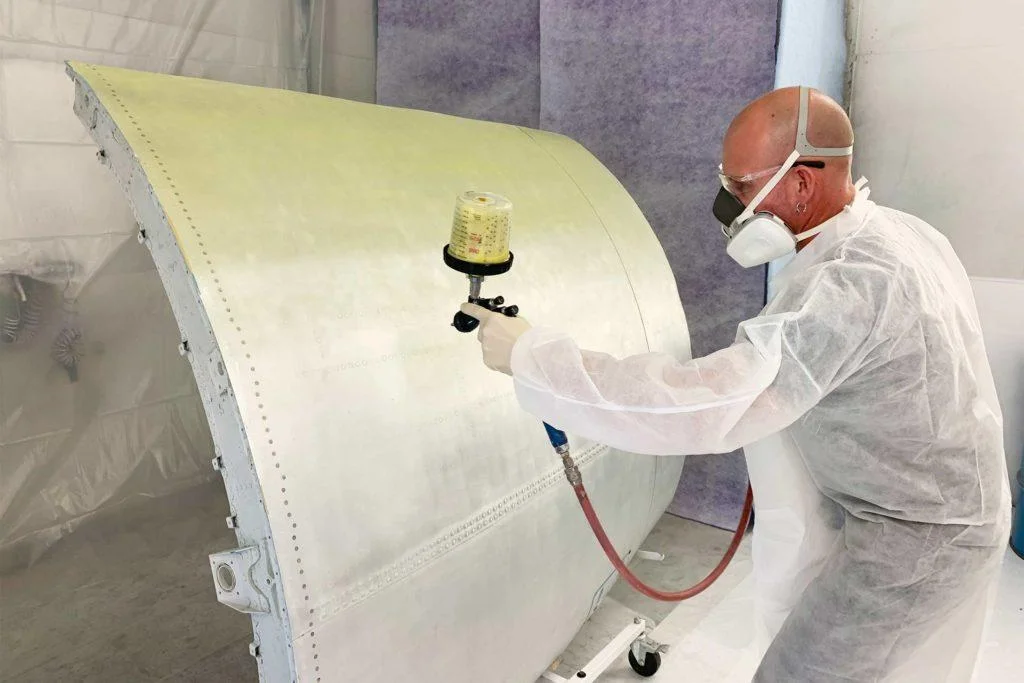
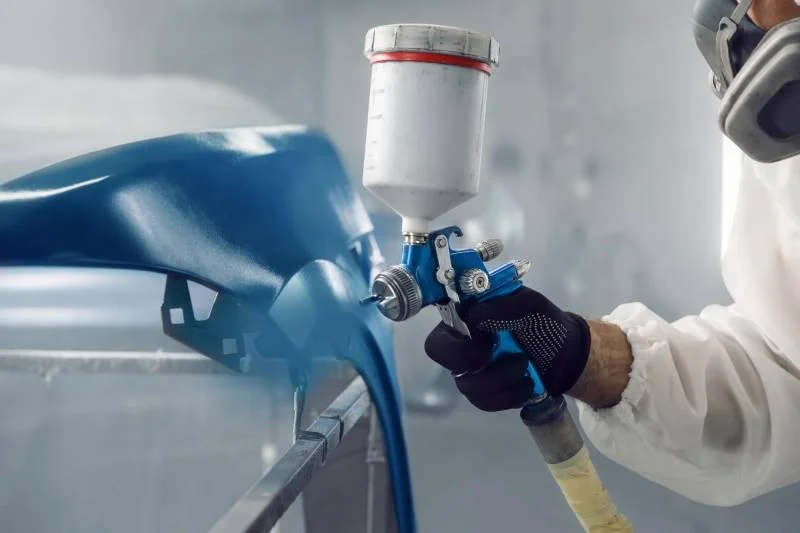
Provides the foundation for subsequent coating layers and can support adhesion and corrosion protection on suitable substrates.
2. Topcoat
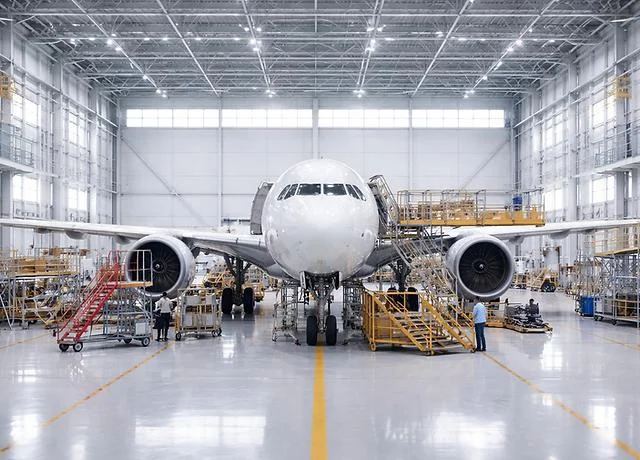
Provides the specified colour and finish and contributes to the exterior performance of the complete coating system.
3. Clear Coat, Where Required
A transparent finish used in compatible systems to help achieve the intended appearance and specified surface performance.
1. Primer: The Foundation of the Coating System
Primer is applied to a properly prepared surface as the base for compatible subsequent coating layers. Aerospace primers are formulated for particular substrates and applications, so product selection should be based on the required technical performance rather than colour or a general product description.
Key functions of an aircraft primer
What to check before selecting a primer
Confirm the substrate, surface preparation, applicable specification, compatibility with the intended topcoat, mixing instructions, recoat window and curing requirements. Follow the current manufacturer's technical data sheet and the applicable aircraft or OEM requirements.
2. Topcoat: Colour, Finish and Exterior Performance
The topcoat provides the visible finish and contributes to the performance requirements of the coating system. Depending on the formulation, it may be designed to deliver colour retention, gloss, weathering resistance or resistance to specified environmental and chemical exposure.
Key functions of an aircraft topcoat
Topcoat selection considerations
Check the required colour and finish, compatible primer, substrate, application method, curing requirements and applicable specification. Verify the exact product qualification and intended use; do not assume that a product meets a specification merely because it is described as an aerospace topcoat.
3. Clear Coat: An Optional Protective Finish
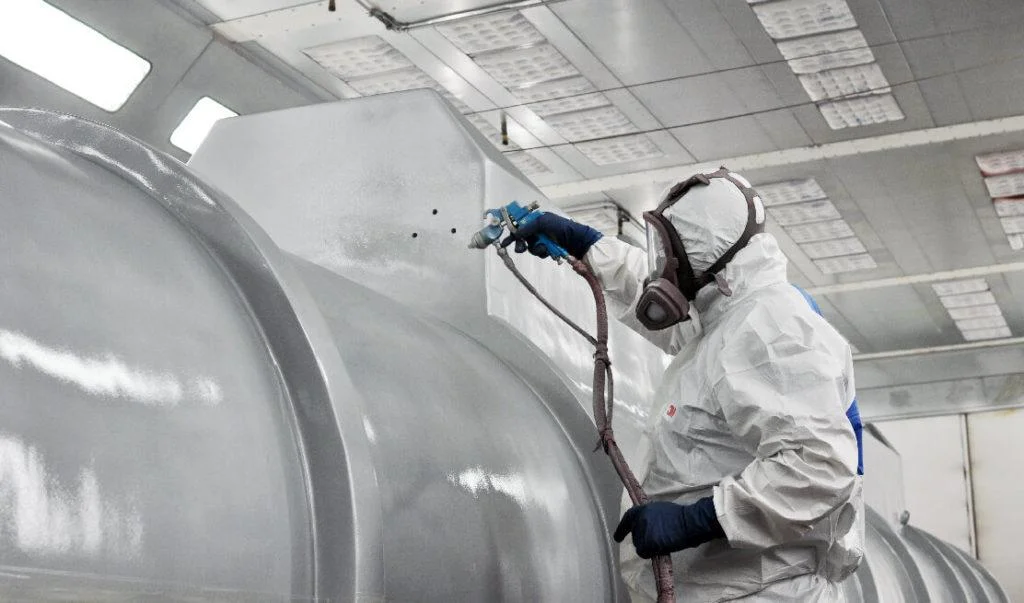
A clear coat is a transparent coating applied over a compatible colour layer or basecoat in systems designed to use one. Depending on the formulation, it can contribute to gloss, surface appearance and resistance to specified environmental exposure.
Note: A separate clear coat is not required for every aircraft coating system. Some systems use a single-stage topcoat, while others use a basecoat–clearcoat arrangement. The approved system documentation determines the correct configuration.
Why Coating Compatibility Matters
Individually suitable products do not automatically form a compatible system when combined. An unsuitable combination can affect adhesion, curing, appearance and overall coating performance. Confirm the manufacturer's instructions for each product and for the complete system before application.
Understanding Aerospace Coating Specifications
Aerospace specifications define requirements for particular materials, systems or applications. Always confirm the exact revision and product qualification required by the purchase order, OEM or programme documentation.
These specifications are not interchangeable and do not, by themselves, confirm that every primer, topcoat and clear coat can be combined. Verify the complete system against the applicable requirements.
Typical Aerospace Coating Applications
Aerospace coatings are used in a variety of applications, depending on product approval and technical suitability. Examples may include commercial aircraft exterior finishes, business and general aviation, military aircraft, approved support equipment and maintenance, repair and overhaul operations.
The correct coating depends on the component, substrate, service environment, existing finish and governing technical requirements. A material suitable for one application should not automatically be assumed suitable for another.
How to Select the Right Aircraft Coating System
Aerospace Coating Solutions from RSR Aviation
RSR Aviation Services Pvt. Ltd. supports aviation, aerospace and defence-related supply requirements through its portfolio of aviation consumables and coating solutions. RSR Aviation is an authorised distributor of 3Chem paints. Product availability and suitability depend on the required specification, approved system, colour and purchasing requirements.
When enquiring about coating materials, share the product designation, specification, colour, quantity and intended application wherever possible. This helps the team understand your requirement and discuss appropriate supply options.
Need Aerospace Coating Support?
Contact RSR Aviation to discuss your coating requirements, product specifications and availability.
Website: Email: Email: Phone:
Frequently Asked Questions
What are the three layers in a 3-Chem aircraft painting process?
A primer, topcoat and clear coat can form a three-layer arrangement. However, the configuration depends on the approved coating system, and not every aircraft paint system uses a separate clear coat.
What is the purpose of primer in aircraft painting?
Primer supports adhesion and, depending on the product and substrate, can provide corrosion protection. It also provides a foundation for compatible subsequent coating layers.
Is clear coat mandatory for all aircraft?
No. Some approved systems use a single-stage topcoat, while others use a basecoat–clearcoat arrangement. Follow the approved system documentation.
How can coating compatibility be checked?
Review the current manufacturer's technical documentation, applicable qualifications, approved combinations, surface preparation requirements and application instructions for the complete coating system.
Technical disclaimer: This article is for general informational purposes. Product selection and application must follow the applicable OEM requirements and the current technical documentation supplied by the coating manufacturer. Confirm all specification claims and qualifications for the exact product before purchase or use.