Types of Aerospace Sealants
Fuel Tank Sealants
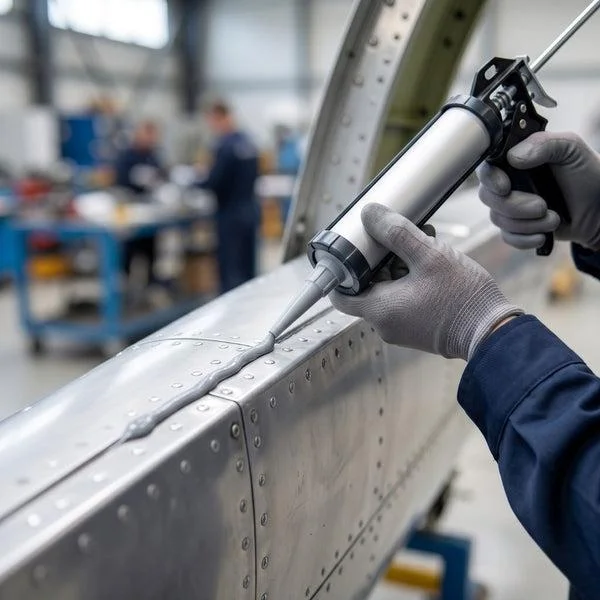
These sealants are made to stop fuel from leaking out of fuel tanks on airplanes. They stand up to fuel. Keep working even in hard situations.
Structural Sealants
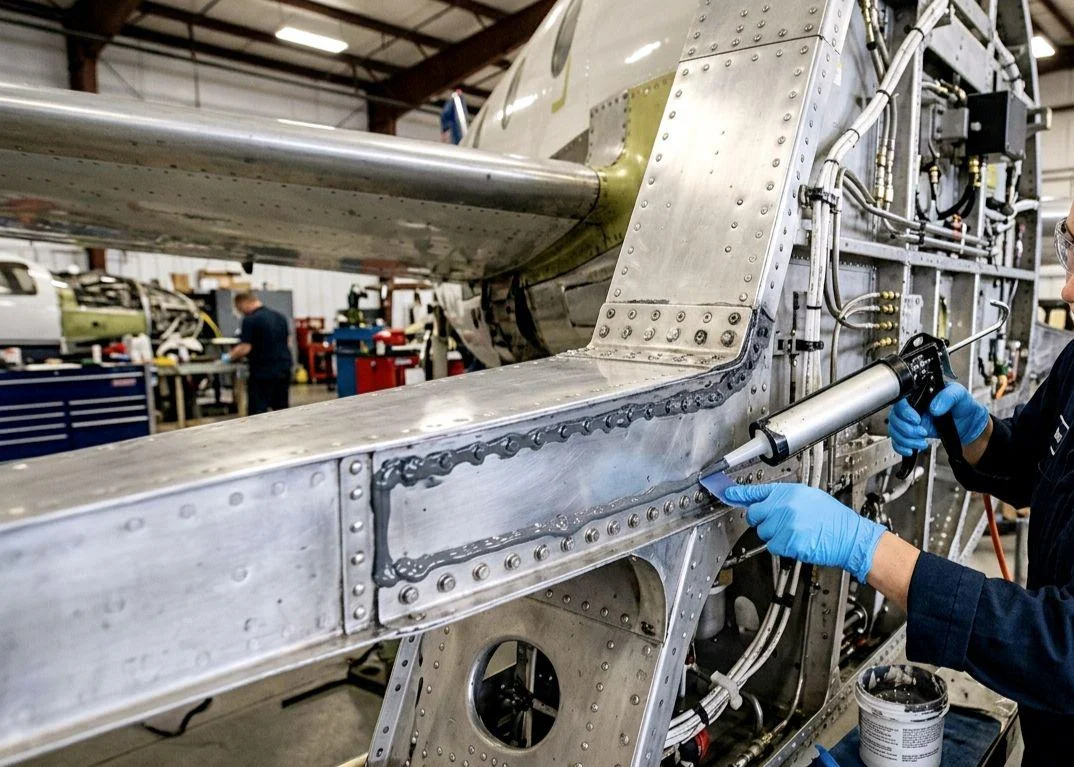
These are used on parts where the body of the plane comes together like the sides and the places where parts are fastened. They keep water out. Protect parts from the weather.
Corrosion-Inhibiting Sealants
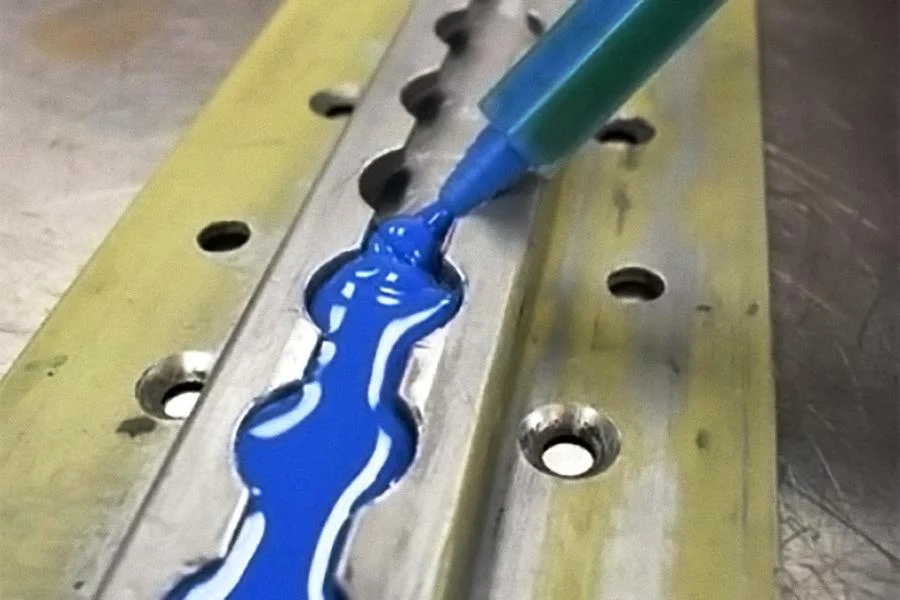
These sealants stop metal parts from getting rust. They keep water and other bad stuff away from metal surfaces.
Common Applications
Aerospace sealants are used in several aircraft applications:
The right sealant depends on what it is used for and what it needs to do.
What to think About When Picking a Sealants
Picking the aerospace sealant means looking at:
Chemical Compatibility: How well it works with fuel, oil and other things the plane uses.
Temperature Resistance: How it works in the temperatures the plane deals with.
Application Needs: How thick it is, how long it takes to set and how it is put on.
Conclusion:
Aerospace sealants are important, for keeping the plane safe and protecting parts from leaks, water and rust. Knowing about their features and where they are used helps people who take care of planes choose the materials.
Need Aerospace Sealants Support?
Contact RSR Aviation to discuss your coating requirements, product specifications and availability.
Website:
Email:
Email:
Phone:+91 95954 75981
Frequently Asked Questions (FAQs)
1. What are aerospace sealants used for?
Aerospace sealants prevent leakage, moisture ingress, and contamination in aircraft joints, seams, fuel tanks, and structural interfaces.
2. What is the difference between aerospace and conventional sealants?
Aerospace sealants are designed to meet specific aircraft performance requirements, including resistance to aviation fluids, temperature changes, and vibration.
3. Which sealants are commonly used in aircraft fuel tanks?
Polysulfide-based sealants are commonly used for aircraft fuel tank applications because of their resistance to aviation fuels.
4. How do corrosion-inhibiting sealants protect aircraft?
They help prevent moisture and contaminants from reaching vulnerable metal interfaces, reducing the risk of corrosion.
5. How is the correct aerospace sealant selected?
Selection depends on the application, chemical compatibility, operating temperature, application method, and applicable aircraft specifications.